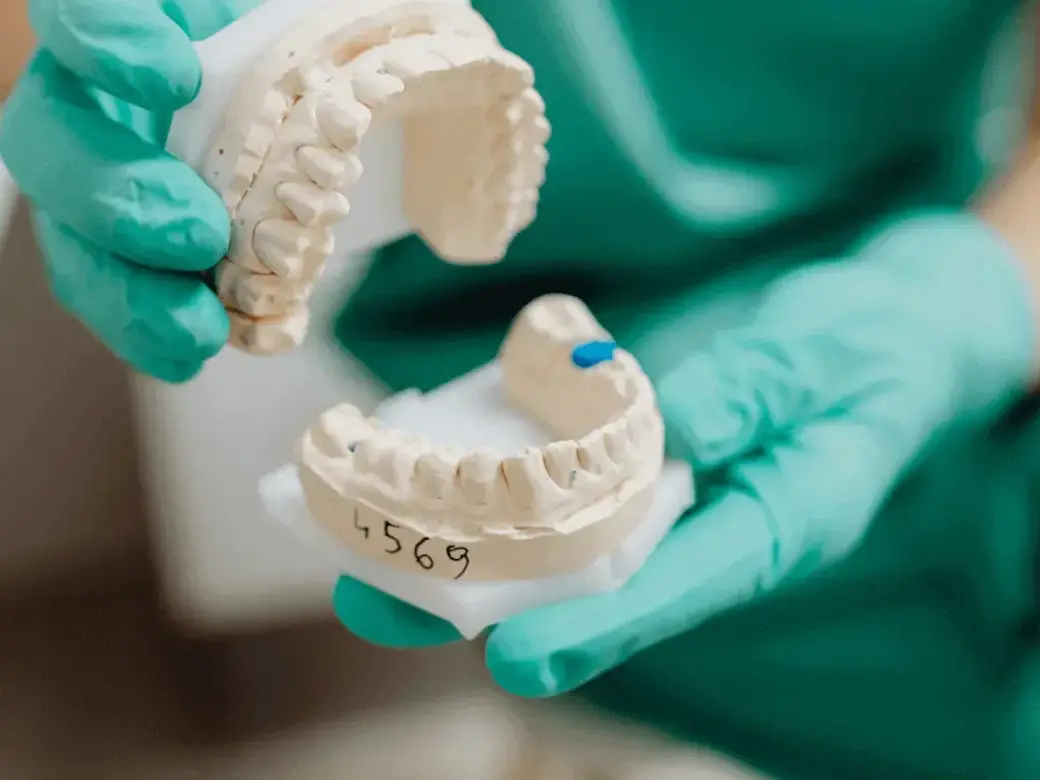
Full-Arch Implants vs. Dentures: What's the Difference?

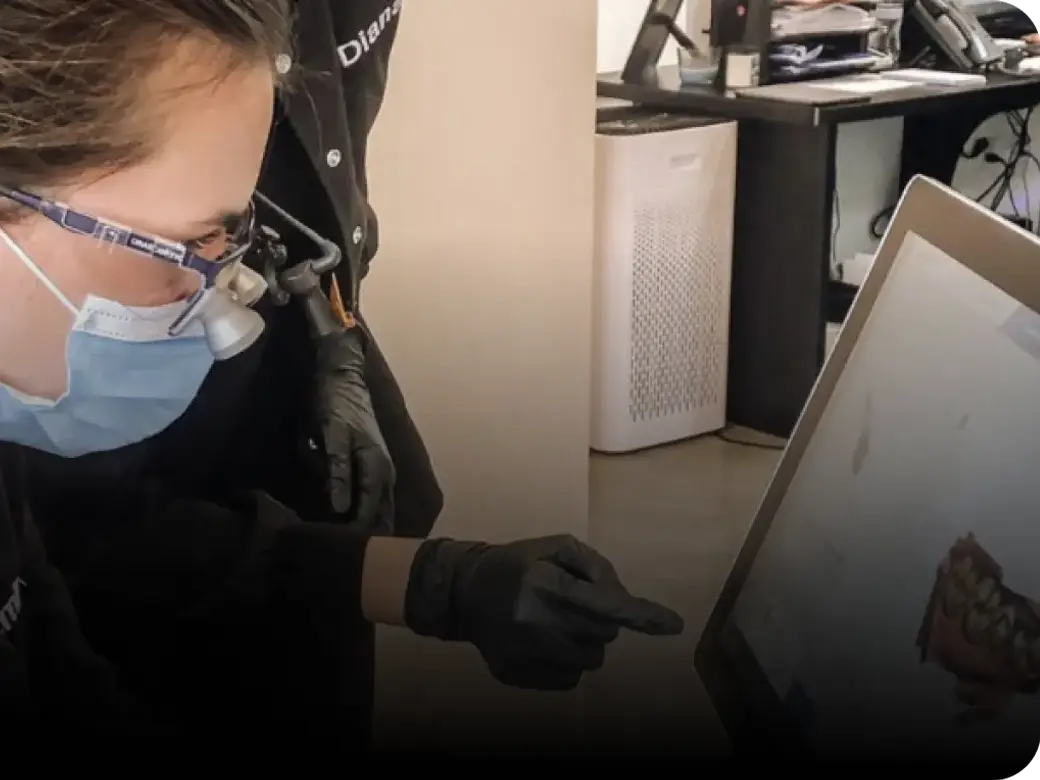
Traditional dentures are removable teeth that rest on your gums. Full-arch implants (sometimes called implant-supported or "fixed" dentures) replace a whole upper or lower arch of teeth with a set that is attached to several implants in the jawbone, usually four to six per arch. Full-arch implants are more stable, do not slip the way dentures can and help prevent bone loss in the jaw, but they require surgery, healing time and enough bone. Dentures cost less and involve no surgery, but they can slip and usually need relining and replacing over the years.
In this article
How traditional dentures work
A complete denture replaces all the teeth in one arch. It sits on the gums; an upper denture also covers the roof of the mouth, which helps it stay in place. Many people use denture adhesive to keep them steady.
Dentures are a proven, affordable option, and many people do well with them. The common complaints are that they can shift or wobble when talking or chewing, and that they take time to get used to: Cleveland Clinic says the adjustment can take weeks or sometimes months.
There is also a slower change underneath. After teeth are lost, the jawbone gradually shrinks. Dentures do not stop that, so over time the fit loosens. Cleveland Clinic recommends a reline every one to two years and says the average denture lasts seven to 10 years before it needs replacing.
How full-arch implants work
With full-arch implants, a few implants are placed in the jawbone and a complete arch of replacement teeth is attached to them. Cleveland Clinic describes full-arch restorations as usually using four to six implants. You may have heard the name "All-on-4," which is one brand of this approach using four implants per arch.
There are two main types of implant-supported dentures:
- Fixed (full-arch or hybrid): attached to the implants and removed only by your dentist for maintenance. This is what most people mean by full-arch implants.
- Removable (snap-on overdenture): clicks onto the implants for stability and comes out for cleaning.
Because the teeth are anchored in bone, they do not slip when you eat or speak. The implants also help preserve the jawbone, which helps maintain the shape of the face.
Side by side
| Full-arch implants (fixed) | Traditional dentures | |
|---|---|---|
| Held in place by | Implants in the jawbone | Rest on the gums (and the roof of the mouth for an upper denture), sometimes with adhesive |
| Removable at home? | No, your dentist removes it for maintenance | Yes, taken out daily |
| Surgery | Yes | No (extractions may still be needed) |
| Jawbone | Helps preserve it | Continues to shrink over time |
| Upkeep | Daily brushing and cleaning under the bridge, regular professional maintenance | Daily brushing and overnight soaking, relines every 1 to 2 years |
| Typical lifespan | Implants can last a lifetime with care; the teeth attached to them wear and may need replacing | About 7 to 10 years on average |
What treatment looks like
Full-arch treatment starts with a consultation, an exam and 3D imaging of the jaw so the implants can be planned precisely. At Ideal Dental Solutions, Dr. Adili uses computer-guided planning for implant placement.
On the day of surgery, any remaining teeth that cannot be saved are removed and the implants are placed. Depending on your bone and how stable the implants are, you may leave with a temporary set of teeth. The implants then need time to fuse with the bone, which Cleveland Clinic says usually takes about three to six months. It varies from person to person, and a bone graft adds its own healing time. After that, the final arch of teeth is made and attached.
Cleaning is different from dentures. You do not take fixed teeth out at night. Instead you brush them and clean underneath them every day, using tools like floss threaders and small in-between brushes, and come in for regular maintenance visits.
Who is a candidate?
Full-arch implants are worth considering if you are missing most or all of the teeth in an arch, have teeth that cannot be saved, or wear dentures that are loose or uncomfortable. You need enough jawbone to hold the implants; bone grafting can sometimes add bone where it has been lost.
General health matters too. Smoking, unmanaged diabetes and untreated gum disease can affect healing, and they are worth discussing openly. If full-arch implants are not right for you, a well-made denture, or a removable denture that snaps onto implants, may still be a good option.
Why it helps to see a prosthodontist
Replacing a full arch of teeth is as much about the bite, speech and appearance as it is about the implants. Prosthodontists are dentists with three or four additional years of specialty training in replacing missing or damaged teeth with crowns, bridges, dentures and implant restorations. Dr. Mehdi S. Adili, a prosthodontist trained at Virginia Commonwealth University, plans full-arch cases at our McLean office.
Frequently asked questions
Are full-arch implants the same as All-on-4?
All-on-4 is a trademarked name, owned by the implant company Nobel Biocare, for one full-arch technique that uses four implants per arch. "Full-arch implants" is the broader term; some cases use four implants and others use more, depending on the bone.
Can I switch from dentures to full-arch implants?
Many denture wearers can, as long as there is enough jawbone or it can be rebuilt with a graft. Long-time denture wearers may have lost more bone, so imaging is the first step.
Can my existing dentures be attached to implants?
In some cases an existing denture that still fits well can be modified to attach to implants. We can check whether yours is a good candidate at your consultation.
How long do full-arch implants last?
With good care, the implants themselves can last a lifetime. The teeth attached to them wear over time and may need repair or replacement after many years. Daily cleaning and regular maintenance visits help them last.
How long does it take to get full-arch implants?
Planning takes one or more visits. After the implants are placed, they usually need about three to six months to fuse with the bone before the final teeth are attached. A bone graft adds its own healing time.
This guide is general information, not a diagnosis or treatment plan. Every mouth is different, so the right option for you depends on an exam with your dentist.